Practitioner programme, worldwide. Live online, 15–16 December 2026

Basel III and Basel 3.1 (“Basel IV”) in Practice Capital, liquidity and reporting, with a special focus on Islamic banking and finance

What every banker must know about Basel, conventional or Islamic, wherever you work: how capital, leverage and liquidity are measured, how banks report to their central bank, and how conventional and Islamic banks meet the same standard.

Taught from the rulebook to real numbers, with a case study drawn from GCC central bank reporting and disclosures that compares a conventional and an Islamic bank side by side.

Muhammad Ikram Thowfeek, lead trainer
Dates
Tue 15 and Wed 16 December 2026
Time
4:00–7:00 pm Kuwait (GMT+3)
Format
Live online on Zoom, 6 hours
Credential
Credly digital badge
Fee
From US$197 early-bird

Why you must know Basel now

Basel is not just for the risk department. It shapes what every bank can lend, how it prices and how it grows, and Islamic banks are measured by the same yardstick.

For bankers

  • Every deal consumes capital and liquidity.Basel decides how much your bank can lend, how it prices risk and how fast it can grow.
  • Basel 3.1 is changing the numbers.The output floor and new risk weights are reshaping ratios now, and your board and regulator will ask what it means.
  • Islamic banks use the same yardstick, with a twist.IFSB-23, profit-sharing investment accounts and the “alpha” factor change how the ratios are calculated and read.

For Sharia scholars and boards

  • Sharia decisions move capital ratios.How profit-sharing accounts and sukuk are structured decides whether they absorb losses or count as capital.
  • Your board reads Basel numbers.Understand what the capital, leverage and liquidity ratios really say about the bank you oversee.
  • Does Basel III apply to Islamic banks?Yes, no or partially: get the answer, and the reasoning behind it.

What every banker must know, at the depth your role needs

Conventional or Islamic, in the GCC, Asia or beyond. For Islamic and conventional bankers, investment bankers, Sharia scholars and board members.

Your roleDepthYou will be able to
Board, senior management and Sharia boardsOverviewRead the ratios and judge the bank’s strength
Relationship, credit and corporate bankingWorkingSee how each deal consumes capital and liquidity
Risk, finance, treasury and regulatory reportingDeepCalculate, reconcile and report the four ratios
Internal audit, compliance and Sharia reviewWorkingTest the numbers and the controls behind them
New joiners and career changersOverviewBuild a solid Basel foundation, fast

Two days, from the rulebook to real numbers

Built around a case study drawn from GCC central bank reporting and disclosures that compares a conventional and an Islamic bank side by side.

Day 1, Tuesday 15 December

Foundations, capital and the four ratios

Opening keynoteDebt, Crisis and the Islamic Finance Solution, by Tariq Al-Rifai

  1. Islamic banking and finance today: the industry, its business model and why Basel matters
  2. Why Basel exists: the BIS, the Basel Committee and the accords from Basel I to Basel 3.1, what each tests and how it is calculated
  3. Lessons of 2008 and beyond: risk taking versus risk managing
  4. Capital that counts: CET1, AT1, Tier 2 and their sukuk equivalents
  5. Risk-weighted assets: credit, market and operational risk
  6. The four formulas: CAR, leverage, LCR and NSFR
  7. How a central bank applies Basel: D-SIB buffers, reporting and supervisory review

Day 2, Wednesday 16 December

The Islamic lens, case study and what’s next

  1. Does Basel III apply to Islamic banks? Yes, no or partially
  2. Basel III and IFSB-23, and profit-sharing investment accounts
  3. Case study drawn from GCC central bank reporting: a conventional and an Islamic bank
  4. Comparing their ratios with regulatory and Basel III benchmarks
  5. Why the Islamic model shows stronger ratios, and its limits
  6. Basel 3.1: the output floor, new risk weights, CVA and FRTB
  7. Pre- and post-assessment to measure what you learned

What you take away

  • Four-formula guide and ratio summary sheet
  • Glossary of 100+ Basel terms
  • Case workbook drawn from GCC central bank disclosures
  • 30-question self-assessment
  • Credly badge “Basel Accords Specialist”
  • Certificate of completion
  • In-person and in-house runs on request

Taught by people who built Islamic banks and markets

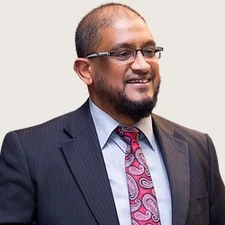
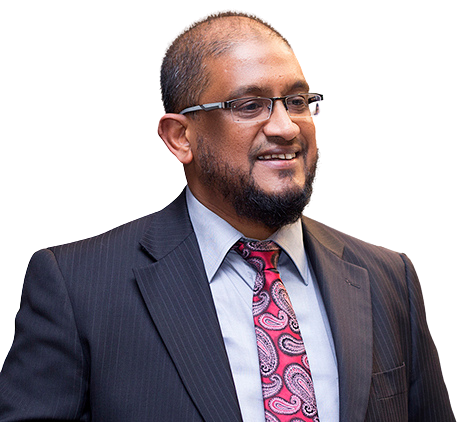
Muhammad Ikram Thowfeek

Lead trainer

Muhammad Ikram Thowfeek (MIT)

“Be humble, be simple and be a community asset”

A Chartered Accountant by profession and an Islamic banker by practice, MIT brings more than three decades of hands-on Islamic banking and finance experience across the Gulf and South Asia, with exposure to institutions including ADIB, Kuwait Finance House, Barwa Bank, First Islamic Investment Bank and EY.

A mentor, author and speaker at global Islamic finance forums, he specialises in setting up Islamic financial institutions and teaches Islamic finance in practice: real disclosures, real ratios and the decisions behind them.

  • FiNext Award Winner 2019, Excellence in Finance, Leaders
  • Through IBaaD Academy, working to empower 1 million Islamic finance literates by 2030 and 1 million ethical entrepreneurs by 2040
Tariq Al-Rifai

Guest keynote speaker

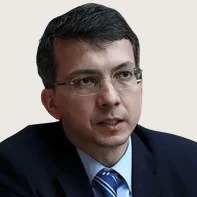
Tariq Al-Rifai

Managing Partner, Al-Madeenah

Keynote: “Debt, Crisis and the Islamic Finance Solution”

A globally recognised Islamic finance authority, investment researcher and strategic economic adviser. Founder of the world’s first Islamic funds monitoring organisation (1996) and a pioneer in Shariah-compliant indexing at S&P Dow Jones Indices. Founder of the Quorum Centre for Strategic Studies, Kuwait’s dedicated strategic advisory think tank.

  • Author, Islamic Finance and the New Financial System (Wiley)
  • Contributor to the Harvard University Forum on Islamic Finance
  • Commentator for the Financial Times, Bloomberg, Reuters and CNBC Arabia
  • MBA International Management, DePaul University; BSc International Finance, Saint Cloud State University
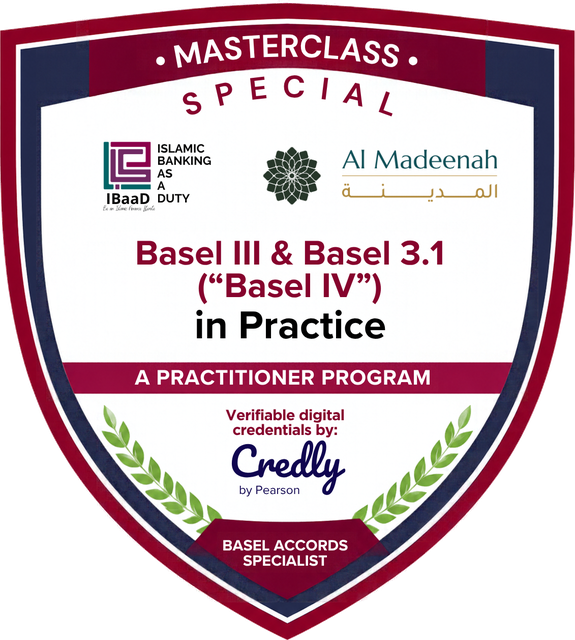
Basel Accords Specialist badge, issued through Credly

Earn the “Basel Accords Specialist” badge

Complete the programme and receive this IBaaD and Al-Madeenah digital badge, issued through Credly by Pearson, the credentialing platform used by global certification bodies and universities.

Anyone can verify it online in one click, and you can share it on LinkedIn, your CV and your email signature.

Proven with bankers and scholars

100%
rated the session Very Good or above
22
bankers from five institutions, Kuwait, November 2026
30+
years of Islamic banking practice behind the content
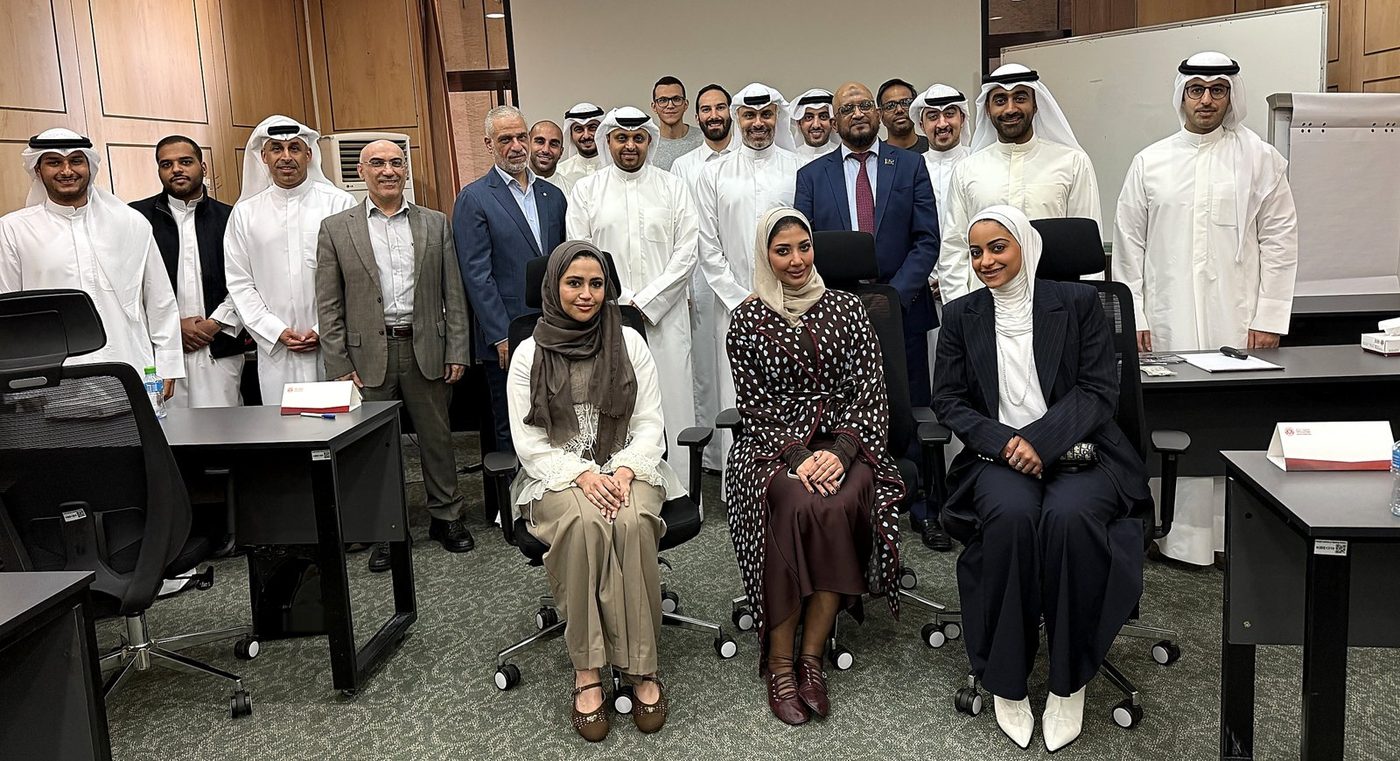
Participants of the Basel III and Islamic Finance programme in Kuwait
22 bankers from five institutions at a Basel III and Islamic Finance programme delivered by MIT in Kuwait, November 2026
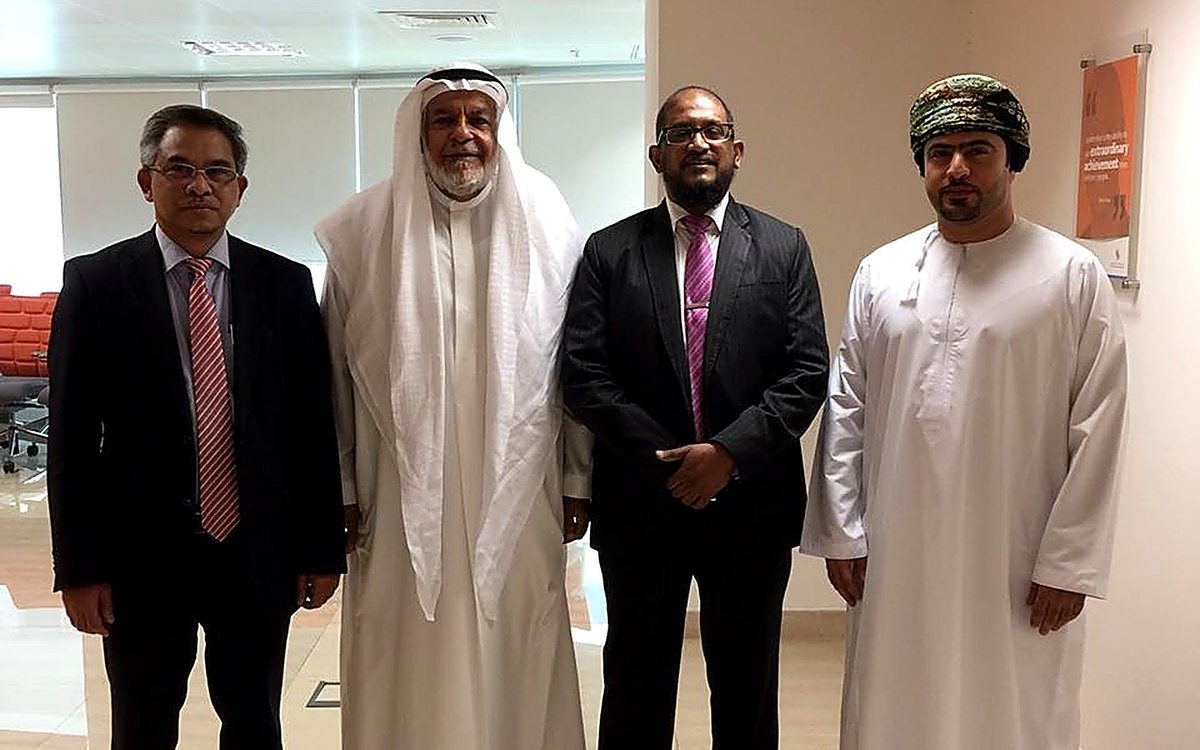
MIT with Dr. Mohamed Daud Bakar, Dr. Mohamed A. Elgari and Sheikh Khalid Said
MIT with Dr. Mohamed Daud Bakar, Dr. Mohamed A. Elgari and Sheikh Khalid Said at an earlier Basel III programme for Sharia scholars

Trusted by senior Shariah scholars

“Excellent presentation, very knowledgeable lecturer, rich in detail and useful information. I enjoyed and benefited tremendously from it.”

Dr. Mohamed A. ElgariRenowned Shari’ah scholar

“I enjoyed the workshop and learned a lot about risk management and Basel III. Islamic finance is moving forward positively with international acceptance.”

Sheikh Khalid SaidSSB Member, Muzn Islamic Banking, Oman

Trusted by bankers and practitioners

“I enrolled at first because the bank required me to, and thank God they did. I had so much fun and learned lots of interesting things that I will apply in the future, inshallah.”

Khalifa Fawzi AlasousiCredit Risk Specialist, KFH

“Excellent session. The topic was explained clearly and professionally, with great insights and valuable information.”

Ahmed Saeed Abu HnadDirector, Warba Bank

“The live examples and interactive way of explaining the subject from the heart is what perfected it and made the course enjoyable.”

Zain Alaabdin Ali AlnaqeebSenior Officer, Remittance, Warba Bank

“I had the opportunity to learn in detail about the Basel regulations and the key ratios used to evaluate compliance.”

Maneesh Pazhoor UnnikrishnanTeam Leader, MIS and Budgeting, KIB

“Very rich and thoughtful training! Thank you for simplifying the Islamic terminology.”

Mansour Ali Ibrahim AlTamimiAssistant Manager, Gulf Bank

“The course was perfect in every single way possible. Thank you so much, Mr. Ikram, for your hard work.”

Sulaiman Jassim AlHazeemAccountant, Kuwait International Bank

Senior-level learning, priced for every banker

Two recognised Islamic finance practitioners, six live hours, a guest keynote and a verified credential, for Islamic and conventional bankers, investment bankers and Sharia professionals worldwide.

Early-bird

US$197

per participant

Register and pay by 1 December 2026

Standard

US$297

per participant

From 2 December until registration closes

Team

20% off

per participant

3 or more from the same institution, on the early-bird or standard fee

Alumni and community

US$97

per participant

For the 300+ bankers who joined our earlier programmes, and IBaaD students and young professionals

5 seats free

For Sharia scholars serving on the boards of Islamic banks and financial institutions. Apply through the IBaaD scholars’ network or the registration form below by 5 December 2026. Seats are awarded on board role, relevance and regional spread.

  • 6 live hours over two days with Muhammad Ikram Thowfeek (MIT)
  • Guest keynote by Tariq Al-Rifai
  • Case workbook from GCC central bank disclosures
  • Four-formula guide, ratio summary sheet and 100+ term glossary
  • Pre- and post-assessment
  • Credly badge “Basel Accords Specialist” and certificate

Comparable international two-day Basel III courses are typically priced from US$375 to over US$1,700 per participant.

Live online, timed for the GCC, Asia, Africa and Europe

Programme dates
Day 1Tuesday 15 December 2026
Day 2Wednesday 16 December 2026
Each day4:00–7:00 pm Kuwait (GMT+3)
Total6 live learning hours
Your local time
London1:00–4:00 pm
Dubai5:00–8:00 pm
Karachi6:00–9:00 pm
India and Sri Lanka6:30–9:30 pm
Kuala Lumpur and Singapore9:00 pm–12:00 am
New York8:00–11:00 am
Registration type

Registering a team? Enter the number of seats and send the other names in the notes below, or after you pay.

How would you like to pay?

Seriously asked questions

The questions bankers and scholars really ask before they sign up.

About the programme

Is this for Islamic bankers or conventional bankers?

Both. Basel applies to every bank, and the programme covers how conventional and Islamic banks meet the same standard. The special focus on Islamic banking and finance gives conventional bankers a perspective they rarely get, and gives Islamic bankers the full Basel picture.

I’m not in risk or finance. Will I keep up?

Yes. The programme is designed at three depths: overview for boards and senior management, working knowledge for relationship, credit, audit and compliance teams, and deep for risk, finance, treasury and regulatory reporting. Concepts are explained from first principles with real numbers, not jargon.

I’m a Sharia scholar, not a banker. Why should I learn Basel?

Because Sharia decisions move capital ratios. Whether profit-sharing investment accounts truly absorb losses, and whether a sukuk can count as bank capital, depends on how they are structured and approved. Scholars who understand Basel can see the prudential consequences of the structures they approve, and read the numbers their boards are given.

Does Basel III actually apply to Islamic banks?

Yes, no and partially, and that is exactly what Day 2 unpacks. Islamic banks in most jurisdictions report under Basel-based rules, adapted through the Islamic Financial Services Board’s standards, including IFSB-23 on capital adequacy. The treatment of profit-sharing investment accounts and the “alpha” factor can change an Islamic bank’s capital ratio significantly.

What is the difference between Basel III and Basel 3.1 (“Basel IV”)?

Basel III, introduced after the 2008 crisis, strengthened the quality and quantity of capital and added leverage and liquidity ratios. Basel 3.1, often called “Basel IV”, finalises those reforms: it revises how risk-weighted assets are calculated and introduces an output floor that limits how far internal models can reduce capital requirements. The programme covers both, and what the changes mean in practice.

Is the case study based on real banks?

Yes. It is drawn from GCC central bank reporting and the published Basel disclosures of a conventional and an Islamic bank, so you work with real ratios, not textbook examples.

Is this only relevant to banks in the GCC?

No. Basel is a global standard, and the IFSB standards apply to Islamic banks worldwide. The GCC case study is a practical lens; the principles apply in Asia, Africa, Europe and beyond.

Joining and the credential

Which platform will the sessions run on?

Zoom. Joining details are sent to registered participants before Day 1. You only need a computer or tablet with a stable internet connection.

What language is the programme in?

English, with key Islamic finance terms explained in Arabic where helpful.

Will the sessions be recorded?

Live attendance is strongly recommended: the discussion and Q&A are where much of the learning happens. Please email us if you may miss part of a session.

How do I earn the Credly badge?

Attend both days and complete the post-assessment. You will then receive the “Basel Accords Specialist” digital badge through Credly by Pearson and a certificate of completion. You can share the badge on LinkedIn, and anyone can verify it online.

Can I ask questions during the sessions?

Yes. Each day includes time for questions, and the keynote is followed by a moderated Q&A.

Fees and payment

How do I register and pay?

Use the registration form on this page. You can pay online straight away by card, KNET or Apple Pay, or ask for an invoice. You can also email team@ibaad.academy or WhatsApp +965 6998 9673. Payments are made to Al-Madeenah Economic Advisory Company WLL, the programme organiser.

Can my bank pay by invoice?

Yes. Choose “Send an invoice to my institution” in the form and we will email an invoice from Al-Madeenah Economic Advisory Company WLL. Teams of 3 or more from the same institution receive 20% off.

Who qualifies for the complimentary Sharia scholar seats?

Sharia scholars currently serving on the Sharia boards of Islamic banks and financial institutions. Five seats are available, awarded on board role, relevance and regional spread. Apply by 5 December 2026.

What if I can no longer attend?

If you cancel at least 7 days before the programme, you receive a full refund less payment charges. After that, you can transfer your seat to a colleague or to a future run. If the organisers cancel the programme, all fees are refunded in full.

Can you run this programme in-house for our bank?

Yes. The programme can be delivered in person or online for a single institution, built around your own bank’s disclosures. Contact team@ibaad.academy to discuss.

Organised by Al-Madeenah Economic Advisory Company WLLAl Madeenah
In association withTenXMIT AdvisoryIBaaD Academy